
How South Asians Are Influencing Culture In Britain
We have been an inspiration to the West for decades

Ever since Queen Victoria’s reign back in the 19th century, South Asian culture has thrived. It has become a pivotal part of history showing Britain how South Asians are influencing culture even today. Given how they handled colonial destruction, they were deemed to be one of the toughest people history has ever set its eyes upon.
During the Victorian period, Queen Victoria ordered Indians to come to Britain and work as servants, also known as ayahs. While most of these were women, historian Rozina Visram said that these women ‘looked after the children, entertained them, told them stories, and even rocked them to sleep.’ This is how South Asians started to incorporate their influencing culture into British society by walking alongside the British and subtly changing mindsets.

South Asian food can be a source of good nutrition, as opposed to the myth that it doesn’t have any benefits. The spices used in Indian cooking have been passed down from generations before, which have changed Britain forever. Believe it or not, Britain's favourite Indian dish is Chicken Tikka, something which Queen Victoria would have loved for its rich and creamy texture. But the benefits of having cumin, cloves, coriander, and aromatic turmeric have multiple benefits for our bodies. Let’s take a look at how these spices have provided a gateway to India by showcasing an influencing culture in Britain.

4 Powerhouse Indian Spices That The British Took From India
Ground Cumin

Cumin is a good source of Vitamin A, Calcium, and Iron. It contains flavournoids that work as antioxidants in the body. Antioxidants can help neutralize unstable particles called free radicals that cause cell damage. So by neutralising these particles, antioxidants can help prevent diseases like cancer, heart disease, and high blood pressure. According to some studies, ground cumin can also help with digestive issues, like irritated bowel syndrome, belly pain, bloating, and the need to go to the bathroom urgently. It also is a folk remedy for diarrhea.
Cumin has many benefits that include to help neutrlise free radicals (Source: Savory Spice)
The Clove Spice

Cloves are known to be a very versatile spice when it comes to incorporating it into your diet. Interestingly, the clove spice was widely available in Victorian Britain and became something the British used in their cooking. According to Savouring The Past, it’s perfectly safe to say that these particular spices and herbs were used and were more popular than you know.
Coriander

This herb is rich in antioxidants and has many benefits to the body. South Asians have been using coriander for decades, between 1200 BC to 6000 BC to be precise. When the British ruled over India, they took spices like coriander and incorporated them into their meals. South Asian culture has thrived drastically in a way that it’s almost become like a profit to them. This is another reason why South Asians influenced their culture in Britain. Coriander is a good source of vitamin C, calcium, magnesium, potassium, and iron. It might lower blood pressure by causing blood vessels to dilate and work like a water pill.
Turmeric Vitality

Turmeric is popularly known as the golden spice. It promotes medicinal properties that Ayurveda recommends over prescribed drugs. It is something that lowers cholesterol and may improve blood pressure. Antioxidants in turmeric may reduce the risk of cataracts and glaucoma. Nuffield Health notes that numerous human and animal studies have explored turmeric's influence on cancer. Research suggests it can reduce the spread of cancer and contribute to the death of cancerous cells in a variety of cancers, and can also reduce the negative side effects of chemotherapy. Turmeric has the vitality to provide multiple benefits, which is why the British cleverly paved a path to introduce these new species to Britain. It also shows us how South Asians have contributed to sharing a piece of their influencing culture in Britain.
Introducing Black Peppers

Black Peppers were originally from Kerala in India. Like all the other spices, black peppers were also brought to Britain from India. History Extra says that these black peppers were bought in large quantities in ground form by the Victorian working class. But what are the benefits? Well, this king of spice prevents cancer when it’s mixed with turmeric. It’s also good for digestion when it's consumed raw, and might even help aid constipation. The benefits do not stop here, as it can treat skin problems, it's good for your hair, and can be beneficial in losing weight. No wonder it was brought into British diets, as South Asians were forced to implement their influencing culture into the coloniser's hands.
The Popular Cinnamon Spice

The British were so eager to get their hands on cinnamon that the British East India Company decided to establish the Anjarakandy Cinnamon Estate in Kerala, which currently is Asia’s largest cinnamon estate. After India’s independence, the cinnamon spice made its way to Europe, where people started using it in their hot chocolate, according to the Times of India. This is another way South Asians dominated Britain with their influencing culture and paved the way for spice vendors to get the most out of what they do.

3 Healthiest Indian Foods
Daal
The most healthy Indian foods are the ones which are staples in India. Daal in Hindi means lentils or a meal made from them. These tiny beans are packed with protein, fiber, vitamin B6, and folate. Choosing daals without cream can be a healthy option when ordering a cheeky takeaway.

This dish will include turmeric, which boosts your immune system and this has significantly brought Indian cuisine to the forefront, as South Asians continue to show how their influencing culture seeps through the cracks of British colonialism.
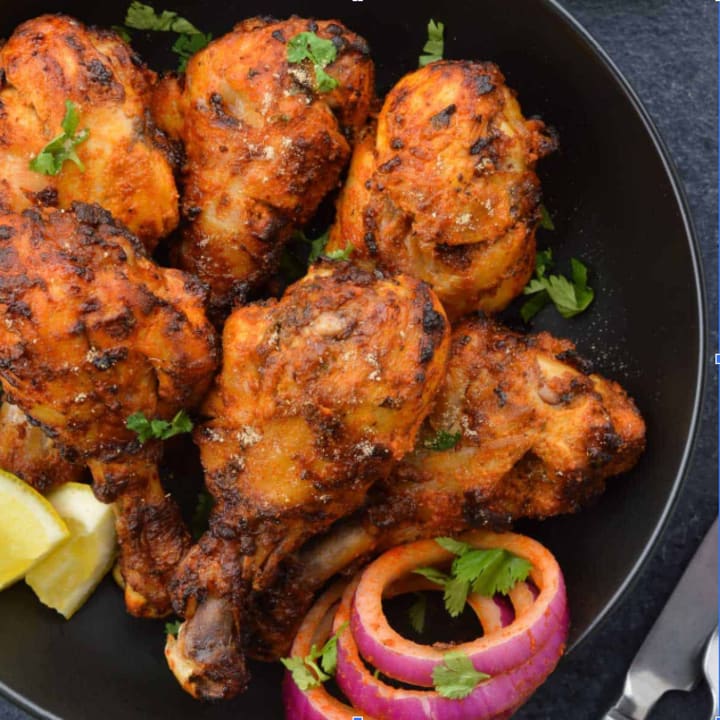
Chicken Tandoori
Another healthy Indian dish to keep in mind is Chicken Tandoori. It’s red, charred, and cooked in a thick clay vessel. This is the ultimate tandoori dish to eat, as it’s grilled chicken and a source of good protein.
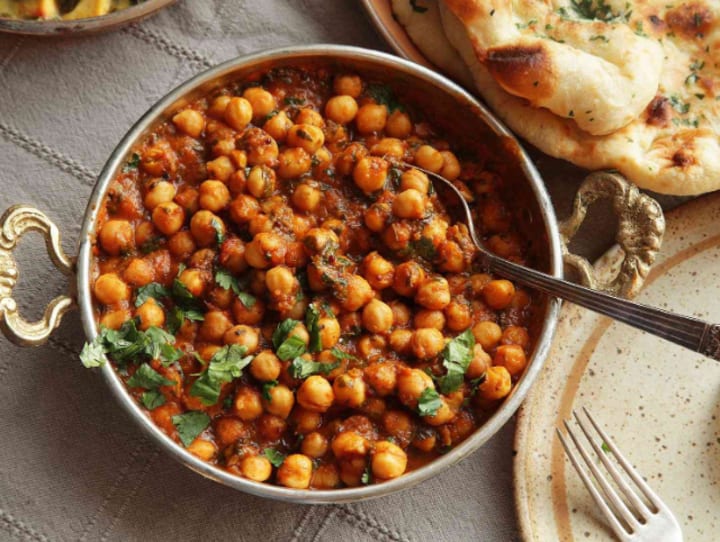
Chana Masala
Chana masala also known as chickpea curry is a delicious healthy Indian dish in a creamy red sauce. This legume is loaded with folate, iron, fiber, and vitamin B. While the tomato and onion sauce is blended with lots of garlic and ginger, chilies, these spices are good-for-you spices filled with benefits.
Colonialism vs India
Along with these spices, Britain stole 48 trillion from India to make a profit for themselves. Colonialism stripped India of its riches as well as ruined the lives of many South Asians who fled the land during independence. According to Al Jazeera, the colonial period was one of the darkest eras in Indian history. The East India Company began collecting taxes in India and then used a portion of those revenues to fund the purchase of Indian goods for British use. Instead of paying for Indian goods out of their pocket, British traders got them for free. South Asians heavily introduced a lot of things to British invaders. It was a slice of their influencing culture, as well as these spices Britain took textiles out of India too.

To conclude, South Asians have influenced the British in many ways. Their influencing culture including their culinary spices have made Britain much more colourful. Without colonialism, Britain wouldn't have experienced a slice of paradise and the unique blend of Ayurveda, which is practiced throughout the West.
About the Creator
Amina
I’m a health editor and journalist, exploring natural ways to care for the body through nutrition, movement, holistic wellness, and the timeless wisdom of Ayurveda. I may also write poetry ;)
Foraging Appalachia’s Wild Edibles
It's that time of year again and Appalachia offers a remarkable abundance for anyone willing to learn its seasonal gifts and practice careful gathering. Across ridges, holler's, stream-side's, and meadows, edible plants, berries, roots, and fungi appear through every part of year. Knowledge is key and teaches not only what can be eaten, but also how to gather with respect so that these resources remain available far into future.
By Tim Carmichael16 days ago in Feast



Comments
There are no comments for this story
Be the first to respond and start the conversation.