Sustainability
Electrification of Heat
by Futoshi Tachino What Changed Heating is undergoing a subtle revolution. In 2022, global sales of electric heat pumps jumped by 11% – the second year in a row of double-digit growth amid high fuel prices and new incentives [1]. Europe led the charge with nearly 3 million heat pumps sold in 2022 (an almost 40% increase from the prior year) [1]. For the first time, Americans also bought more heat pumps than gas furnaces: U.S. heat pump purchases topped 4 million units in 2022, narrowly eclipsing the sales of gas-fired furnaces that year [2]. This milestone was reached even before many new U.S. incentives kicked in, marking a quiet shift in how homes are heated across the country [2].
By Futoshi Tachino7 days ago in Earth
Waste Tire Pyrolysis and Hazardous Waste Classification
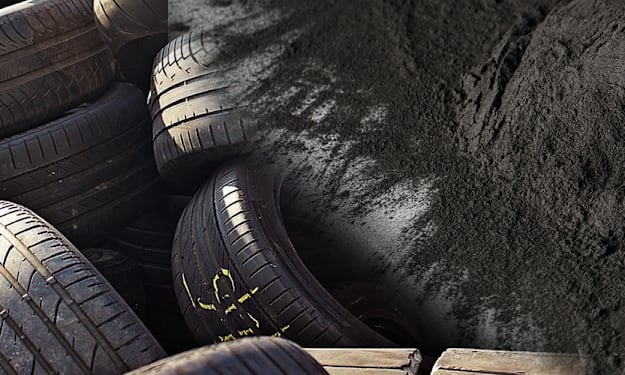
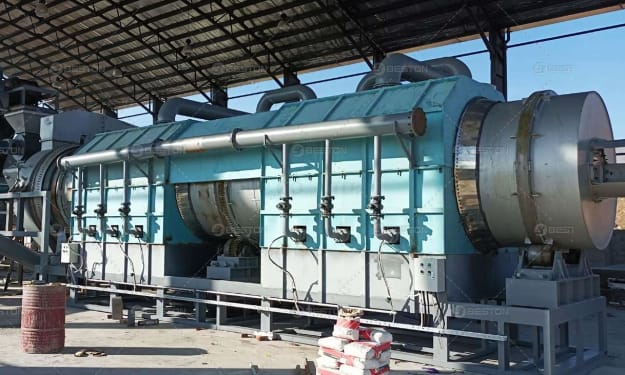
Policy Context of Waste Tire Management End-of-life tires (ELTs) represent a persistent challenge within solid waste governance frameworks. Their complex composition—comprising synthetic rubber, carbon black, steel, and various chemical additives—renders conventional disposal methods such as landfilling increasingly untenable. Consequently, thermochemical conversion technologies, particularly those deployed in a pyrolysis plant, have gained traction as an alternative valorization pathway.
By Wayne Shen8 days ago in Earth
The Bittersweet Story of Chocolate – From Sacred Rituals in Mesoamerica to a Global Indulgence
Chocolate feels familiar today wrapped, sweetened, easily available. It’s part of celebrations, comfort, gifting, and everyday indulgence. But its story begins far from modern shelves. Long before it became a dessert, chocolate was a ritual, a currency, a symbol of power, and a deeply valued cultural element.
By The Origin8 days ago in Earth
⭐ East-West Line
Saudi Arabia East- West Petroline The Middle East has long been the center of global energy politics, with its vast oil and gas reserves shaping not only regional dynamics but also the priorities of major world powers. However, in recent years, a critical question has emerged: should the world continue relying on a few strategic maritime chokepoints for energy transportation, or is it time to develop alternative routes?
By Wings of Time 11 days ago in Earth
Waste Plastic to Fuel: Paving the Way for a Circular Economy. AI-Generated.
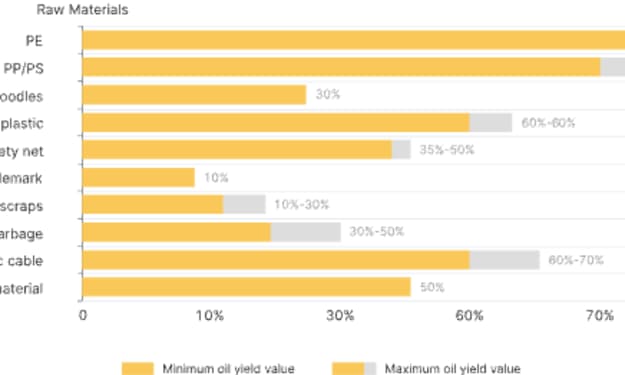
Plastic pollution has become one of the most pressing environmental issues of our time. From oceans to landfills, millions of tons of plastic waste accumulate annually, causing devastating impacts on wildlife, ecosystems, and human health. Yet, in the midst of this challenge lies a remarkable opportunity: transforming waste plastics into fuel. This innovative approach not only reduces environmental pollution but also supports the transition toward a circular economy, where resources are reused and repurposed instead of discarded.
By Bestonpyrolysis11 days ago in Earth
Israel-Iran War: Environmental Risks Overview
Nearly a month into the Israeli-US war against Iran, it is clear that the environmental costs for Iran and the wider region have been substantial and are continuing to mount. The primary environmental threat during this stage of the war is conflict-linked pollution, which has the potential to impact public health, as well as terrestrial and marine ecosystems, and natural resources such as soils and aquifers. Contamination of water bodies is of particular concern for Iran, where drought and mismanagement have depleted water resources.
By Ibrahim Shah 12 days ago in Earth
Pakistan is Now the World’s “Guru”
Pakistan is Now the World’s “Guru” In recent years, Pakistan has quietly transformed its global image. Once viewed mainly through the lens of regional conflicts and economic challenges, Pakistan is now increasingly seen as a country offering diplomatic balance, strategic wisdom, and peace-focused leadership. This shift has led many analysts and observers to describe Pakistan as becoming a "world’s guru" — a nation offering guidance in an increasingly unstable global environment.
By Wings of Time 13 days ago in Earth
Biochar Pyrolysis and Sustainable Development: For a Carbon-Smart Future. AI-Generated.
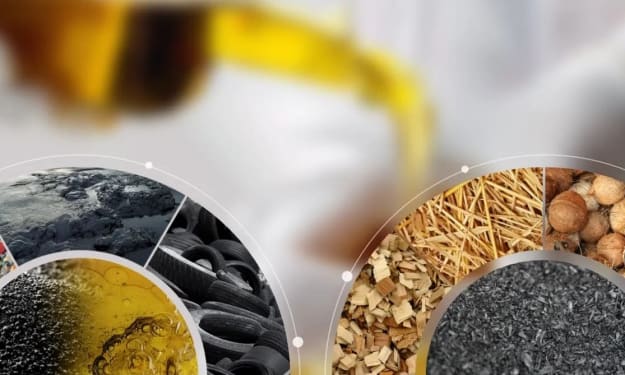
As global populations grow and industrial activities expand, sustainable solutions for energy, agriculture, and carbon management are becoming increasingly urgent. Biochar pyrolysis—the process of thermally decomposing organic biomass in an oxygen-limited environment to produce biochar—has emerged as a versatile strategy that addresses multiple environmental and societal challenges simultaneously. By transforming agricultural residues, forestry waste, and other biomass into stable carbon-rich material, biochar not only contributes to soil enhancement but also plays a role in climate change mitigation, renewable energy production, and sustainable development goals (SDGs).
By Bestonpyrolysis15 days ago in Earth