

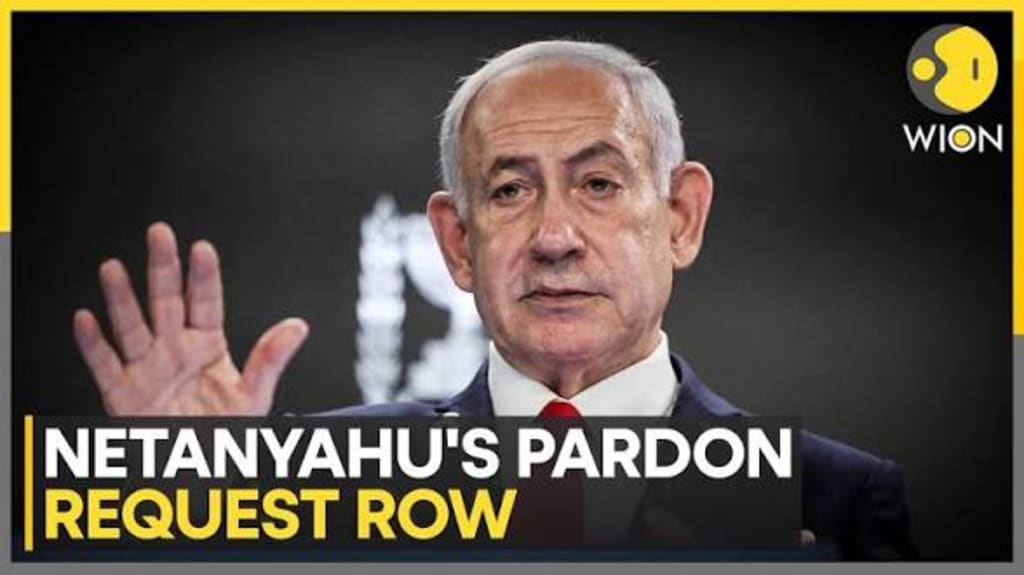
The revival of corruption charges against Benjamin Netanyahu has once again thrust Israel into a moment of political and legal reckoning. After months of delays caused by war and national emergency, the courtroom has reopened, and with it, a case that could redefine not only Netanyahu’s future but also the strength of Israel’s democratic institutions.
A Return After Delay
The pause in Netanyahu’s trial was not due to a lack of importance but rather the overwhelming urgency of national security concerns. During the recent conflict, Israel’s judicial system slowed down, allowing the government to focus on war efforts. However, with a ceasefire now in place, the legal process has resumed—bringing Netanyahu’s long-standing corruption cases back into the spotlight.
This revival is significant. It signals that even in times of crisis, the rule of law remains intact. Justice may be delayed, but it is not abandoned.
Understanding the Charges
Netanyahu faces three major cases that have collectively shaped public debate for years:
- Case 1000 involves allegations of receiving luxury gifts from wealthy businessmen in exchange for political favors.
- Case 2000 focuses on alleged discussions with a media publisher to secure favorable press coverage.
- Case 4000, the most serious, accuses Netanyahu of granting regulatory benefits to a telecom company in return for positive media portrayal.
These cases include charges of bribery, fraud, and breach of trust. Netanyahu has firmly denied all accusations, repeatedly calling them politically driven and baseless.
Leadership Under Pressure
The timing of the case revival places Netanyahu in a uniquely difficult position. As a central political figure, he must balance leadership responsibilities with personal legal defense. This dual role has sparked intense debate within Israel.
Supporters argue that Netanyahu is being unfairly targeted, claiming that his strong leadership and long tenure have made him a political enemy for many. To them, the revival of the case is less about justice and more about power struggles.
Critics, however, see the trial as essential. They argue that democratic systems depend on accountability and that even the most powerful leaders must answer to the law.
A Divided Nation
Public opinion in Israel remains deeply split. For some, Netanyahu represents strength, experience, and national security. For others, the corruption charges symbolize a troubling misuse of power.
This divide is not just political—it is emotional and ideological. The revival of the case has intensified these divisions, with protests, debates, and media coverage dominating the national conversation.
In many ways, the trial has become a reflection of Israel’s broader societal tensions.

Legal Stakes and Political Impact
The consequences of this case are enormous. If convicted, Netanyahu could face serious penalties, including political disqualification or imprisonment. Such an outcome would mark a historic moment in Israeli politics.
Even if he is not convicted, the ongoing trial will continue to influence elections, coalition dynamics, and public trust. It may also shape how future leaders are judged and held accountable.
The revival of the case also raises important questions about timing. Some argue that restarting the trial now could destabilize politics, while others believe delaying it further would undermine justice.
Beyond One Man
While the focus is on Netanyahu, the implications go far beyond a single individual. This case is a test of Israel’s legal system and its ability to function independently of political pressure.
It also sends a message to the world: that democratic nations must uphold the rule of law, even when it involves their most powerful figures.
The Road Ahead
As the trial resumes, uncertainty looms. Legal proceedings of this scale take time, and the outcome is far from guaranteed. What is certain, however, is that the case will continue to shape Israel’s political landscape for months—if not years—to come.
For Netanyahu, it is a fight to clear his name and preserve his legacy. For his critics, it is a pursuit of accountability. For Israel, it is a defining moment.
Conclusion
“Netanyahu’s Corruption Case Revival” is more than a headline—it is a turning point. It reflects the ongoing struggle between power and accountability, leadership and law.
As the courtroom doors reopen, one thing becomes clear: the story is far from over. Whether it ends in conviction, acquittal, or political transformation, this case will leave a lasting mark on Israel’s history.
.
About the Creator
Sk
"I am a passionate writer, crafting books and articles on Vocal Media, exploring human experiences, stories, and creative reflections."
The Drama - A Movie Review
Are you sure you want to do this now? The Drama was released to theaters in 2026. Charlie and Emma are a week away before getting married. However, when Emma reveals a dark secret from her past, it makes Charlies reluctant and question the woman he is about to marry.
By Marielle Sabbag3 days ago in Geeks




Comments
There are no comments for this story
Be the first to respond and start the conversation.